

Back to the English Counties Page

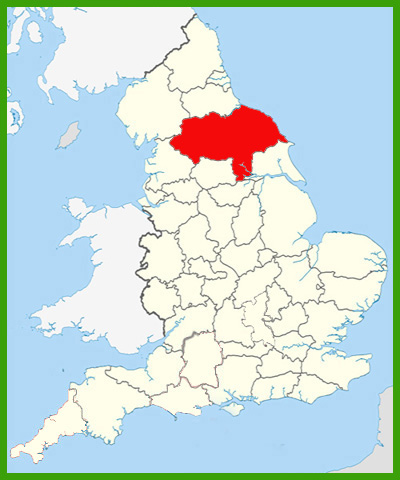
Yorkshire, as a whole, is divided into four parts, north, south, east and west. This is not, by size, an equal
division as North Yorkshire is about one and a half times bigger than the other three put together. Of all other English counties, only Sussex is also divided,
this time into west and east.
More information, gathered from our journey, will appear on this page from 25 September 2028
Facts
The Royal Connection
England on a Plate
Local Birds
VIPs
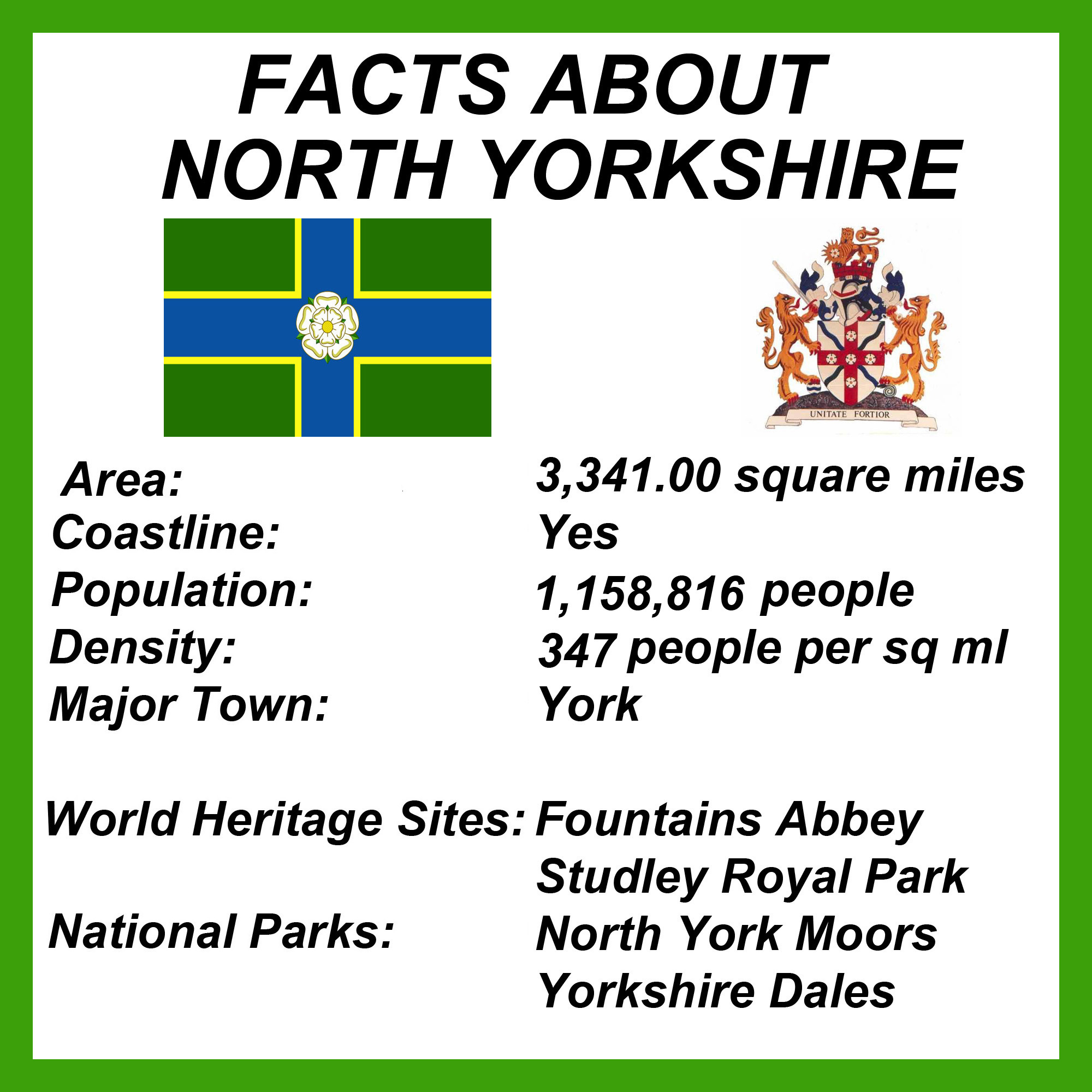

North Yorkshire is the largest county or metropolitan borough in England.
North Yorkshire has the 13th highest population in England.
North Yorkshire is in 46th place for density of population.
All figures the latest available as at July 2022
 Back to the top
-
/>
- The Royal Connection
- North Yorkshire Eats
- Owlbut's Birdwatch
- North Yorkshire VIPs
Back to the top
 The Royal connection here is obvious.
The House of York provided three kings of England, although only two of them were crowned. The first was Edward IV who, as you can read later, won the crown at the
Battle of Towton in 1461. He reigned until 1470 when Henry VI was briefly restored to the throne but took the crown back in 1471 until his death in1483.
The Royal connection here is obvious.
The House of York provided three kings of England, although only two of them were crowned. The first was Edward IV who, as you can read later, won the crown at the
Battle of Towton in 1461. He reigned until 1470 when Henry VI was briefly restored to the throne but took the crown back in 1471 until his death in1483.
On his death the crown passed to his eldest son, another Edward, but he was only 12 years old. Edward IV's younger brother was appointed protector
and escorted the young Edward, along with his younger brother Richard, to the Tower of London to prepare for the coronation. However, the two youngsters were
never seen again so although Edward V had officially become king on his father's death, he was never crowned, just like another Edward, the eighth, in 1936.
Uncle Richard was then crowned as Richard III but his reign only lasted for two years. He was defeated at the Battle of Bosworth Field by Henry
Tudor, sort of a Lancastrian, who became Henry VII. He quickly married Elizabeth of York thereby uniting the two houses. As you probably know the Tudor dynasty
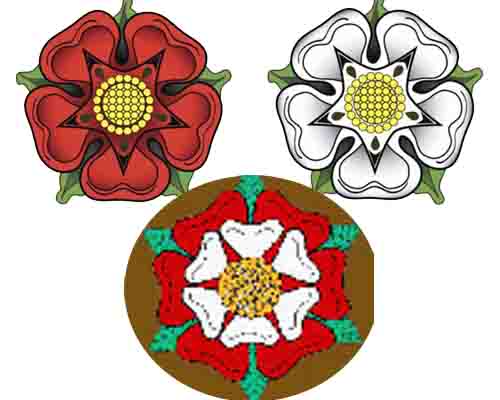
lasted for 118 years. Henry also combined the white rose of York with the red rose of Lancaster to make the Tudor rose. Clever chap was Henry.
Back to the top
 We're back on cheeses this week.
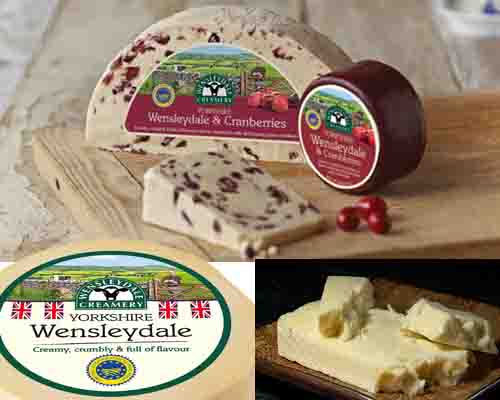
Wensleydale is a very famous cheese first made in, wait for it, Wensleydale in North Yorkshire. The term Yorkshire Wensleydale can only be used for cheese that
is made in Wensleydale but the cheese is now commercially made in large creameries throughout England. The Wensleydale Creamery is in the town of Hawes, obviously
in Wensleydale and it has a visitor centre where you can see cheese being made, or at least you could when I travelled through there on my second coastal journey.
We're back on cheeses this week.
Wensleydale is a very famous cheese first made in, wait for it, Wensleydale in North Yorkshire. The term Yorkshire Wensleydale can only be used for cheese that
is made in Wensleydale but the cheese is now commercially made in large creameries throughout England. The Wensleydale Creamery is in the town of Hawes, obviously
in Wensleydale and it has a visitor centre where you can see cheese being made, or at least you could when I travelled through there on my second coastal journey.
Wensleydale cheese was first made by French monks who had settled in the area. The recipe they used involved making the cheese from sheep's milk but
by the 14th century cows' milk was being used which actually changed the character of the cheese. At that time Wensleydale cheese was always blue. The making of
cheese continued until rationing in WWII when most milk was used for making standard Government Cheddar. Cheese making returned to Wensleydale after the war but
on a smaller scale.
Wensleydale cheese is crumbly and some say it has a slight honey smell. It is particularly popular when mixed with fruit, especially cranberries.
Having never seen cheese being made on a large scale I was fascinated by the large vats of milk which were slowly being turned into cheese. Today, the Wensleydale
Creamery has an interactive experience which takes you on a journey through the art of cheese-making and you can see the cheese being
made by the team of master cheese-makers. There is also a demonstration room and children's games area.
Back to the top
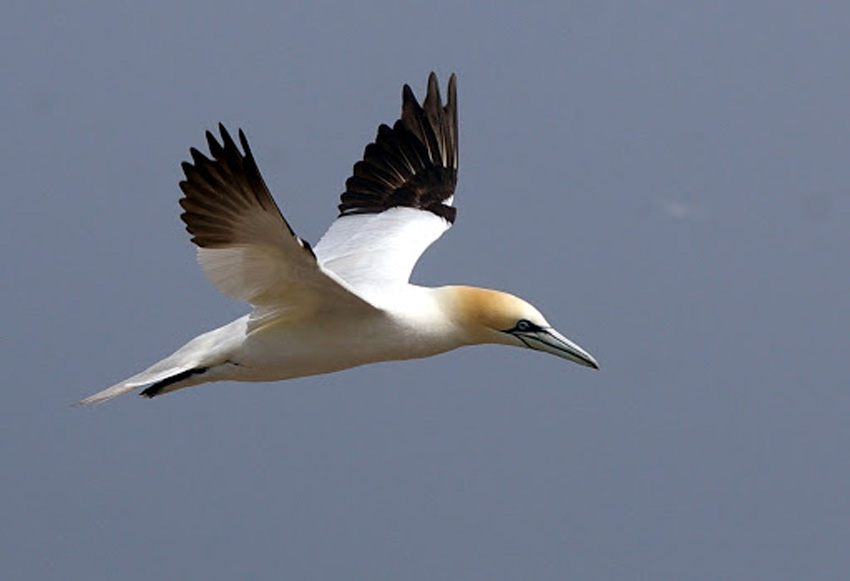
The Gannet is a large, mainly white bird with black wing tips and a yellowish patch on their heads. They have black legs and
a long, powerful and chunky, black and blue beak. When flying out at sea, they flap their wings and then glide low over the water. When it's time to feed, they
fly higher, circle around and then plunge into the sea. Needless to say, they eat fish. They are on the amber list and only breed in certain places. One of these
areas is Bempton Cliffs which are in East Yorkshire but I told you about the Puffin there. I think they look like Concorde and if you don't know Concorde you can find
out more on our website here.
Gannets are around 100cms in length, have a wingspan of about 175cms and can weigh 2.4 to 3.6 kilos. There are 220,000 nests in the UK. They arrive at
their nesting sites from January and leave between August and September. Those birds which don't nest here can be seen offshore almost anywhere, especially between
August and September.
 Back to the top
Seven random people who were born in North Yorkshire in the last 100 years:-
Dame Judi Dench (Actor), Steve McLaren (Footballer/Manager), Dame Jane Glover (Musician/Conductor), Sir Ben Kingsley (Actor), Susan Hill (Author),
Jimi Mistry (actor) and Joanne Froggatt (Actor - Downton Abbey).
Back to the top
